
"coffee growing in Burundi"
500 article(s) found

Story of Burundian Coffee in African Coffee producing area proportion and Flavor of African Heart Coffee beans
Professional coffee knowledge exchange more coffee bean information please follow the coffee workshop (Wechat official account cafe_style) for some coffee lovers or coffee rookies, do not like to read the long and complex description, but also want to know about coffee, so today to briefly introduce the history of Burundi coffee Burundi coffee (Burundian coffee) coffee was in 1930
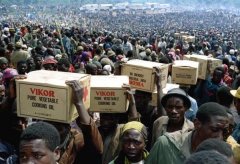
Introduction to the origin of coffee-"Rwanda, Burundi" of the African Department
For the exchange of professional baristas, please follow the coffee workshop (Wechat official account cafe_style) today to introduce the five East African countries, and then introduce the coffee from the five East African countries individually. In 2015, five East African Communities, including Kenya, Tanzania, Burundi, Rwanda and Uganda, proposed that five countries be merged into a federal state, using a common constitution, president, parliament and goods.

Introduction of Burundian Coffee Bean Flavor Manor with excellent acidity
Flavor: mellow taste, rich aroma, excellent acidity recommended roasting method: medium to deep roasting ★★: good Burundian coffee market: Burundian coffee products are mostly exported to the United States, Germany, Finland and Japan Burundian coffee characteristics: Burundi (Burundi) has the world's most wide variety, the most successful coffee industry, and has its own characteristics. Burundi

Burundi Kayanza Sun-cured Bourbon Fine Coffee Bean Flavor Characteristics, Producing Area and Brewing Parameters
Professional barista exchanges, please pay attention to coffee workshop (Weixin Official Accounts cafe_style ) Burundi Kayanza Kabuye Natural Country: Burundi Growth: 1750 meters Production area: Kayanza Kabuye Roasting degree: moderate roasting processing method: sun exposure Burundi is located in the south of the equator in central and eastern Africa. It borders Rwanda to the north, Tanzania to the east and south, and Tanzania to the west.

Flavor description of coffee producing areas in Burundi introduction to the characteristics of varieties and manors with grinding scale
Flavor description of Burundi Coffee production areas; Flavor description; Grinding scale; Variety; Flavor; Flavor; full-bodied; aromatic; acidity excellent; Baking method: medium to deep roasting Burundian Coffee: characteristics of good Burundian Coffee: Burundi has the most diverse and successful coffee industry in the world and has its own characteristics. Burundian coffee tastes fragrant

Burundian coffee grows in war-torn areas but has fragrant, soft-tasting coffee.
Professional coffee knowledge exchange more coffee bean information please follow the coffee workshop (Wechat official account cafe_style) Burundi from the war-torn areas of aromatic, soft-tasting coffee. Burundi has the most diverse and successful coffee industry in the world, and has its own characteristics. Coffee in this country was introduced by Belgian colonists in 1930 and is now available only in

Introduction to Flavor description of Burundian Coffee Bean by Grinding method
Burundian coffee beans actually the first Burundian coffee I tested was coffee from one of the hills of Long Miles. It was a really unforgettable moment, and when we finished grinding the coffee beans, the strong smell of flowers filled the room, and I remember thinking that it felt like the highest level of Ethiopian coffee I was familiar with. I am according to

Burundian Coffee with excellent acidity Flavor description of Burundian Coffee characteristics of Fine Coffee beans
10.5 million (2014). It consists of three tribes: Hutu (84%), Tutsi (15%) and Tewa (1%). The official languages are Kirundy and French, Mandarin is Kirundy, and some residents speak Swahili. Among the residents, 61% believe in Catholicism, 24% believe in Protestantism, 3.2% believe in primitive religions, and the rest believe in other religions or do not. The proportion of the population is: male accounts for the total

Is coffee the ultimate answer to extreme poverty in Burundi?
Following Cafe (official Wechat account vdailycom) found that Coffee Cafe opened a small shop of its own to challenge coffee production. Coffee as a crop was introduced into the colony of Burundi in the 1930s. Since then, the question of whether coffee cultivation should be publicly owned or privately recognized by the government has been wavering. During this period, decades of civil war has seriously hindered coffee cultivation.

Gaterama Manor Gatruma, Burundi introduces the characteristics of Burundian coffee
Professional coffee knowledge exchange more coffee bean information please follow the coffee workshop (Wechat official account cafe_style) Burundian individual coffee bean is a naturally processed bourbon grown in the Gaterama washing station in the Gitga region. Growing at an altitude of about 1700-1900 meters above sea level, only the most mature cherries are used for processing. Bourbon is the parent company of many Arabian coffee varieties

A brief introduction to the History and Culture of the Origin and Development of aromatic Burundian Fine Coffee
Coffee production in Burundi: Burundian coffee is now grown only on small farms. Almost all coffee produced in Burundi is Arabian coffee beans, while coffee trees in Ngozi are planted at an altitude of more than 1200 meters. Characteristics of Burundi Coffee: Burundi (Burundian) has the most diverse and successful coffee industry in the world, and has its own characteristics.

Step diagram of hand-flushing temperature of Burundian coffee
Following the increase in the price of Burundian Arabrica coffee, the purchase price of fresh coffee in Burundi has been adjusted from 120 Burundian francs / kg to 200 Burundian francs / kg, which is excellent news for countries where coffee export earnings account for more than 80 per cent of total foreign exchange earnings. Due to the growth of coffee

Description of the recommended flavor of hand-flushing temperature, grinding degree and powder-water ratio of the Heart of Africa in Burundi
Communication of professional baristas Please pay attention to the coffee workshop (Wechat official account cafe_style) the pattern of coffee production in Burundi is similar to that in Ethiopia, mainly from small-scale farmers, and farmers from the Niarunashi Cooperative (Nyarunasi Cooperative) send their harvested ripe berries to the treatment plant for unified treatment. Coffee harvested by small farmers and treated with traditional washing.

What's the taste of Burundi in the sun? how to brew Burundian coffee?
For the exchange of professional baristas, please pay attention to the coffee workshop (Wechat official account cafe_style) Burundi (Burundi) has the most varied and successful coffee industry in the world, and has its own characteristics. Coffee in this country was introduced by Belgian colonists in 1930 and is now grown only on small farms. Unfortunately, many of these farms are connected to war-torn Rwanda.

Characteristics of Burundian Coffee in Micro-batches
Professional coffee knowledge exchange more coffee bean information please follow the coffee workshop (Wechat official account cafe_style) Burundi micro-batch coffee beans plus yards │ Burundi Micro-Lot Coffee Kigarma planting area: Burundian coffee varieties: bourbon old-Mibirizi altitude: 1800 meters raw bean treatment: washing method (after 1824 hours of fermentation), placed in the shed

Burundi Coffee Bean Flavor Description Taste Characteristics Quality Grinding Scale Treatment Introduction
Burundi boutique coffee bean introduction Burundi is a country that is quite interesting to us. Coffee producers and processors can't price their coffee any more than people can't identify uncut jade, so people here don't have the income to do the growing and processing methods that are being used in other countries, like Panama.

Burundian coffee beans hand-brewed coffee extraction time, powder-water ratio, grinding degree and water temperature are recommended.
Professional coffee knowledge exchange more coffee bean information please follow the coffee workshop (Wechat official account cafe_style) to boil Burundian coffee beans with V60 filter cup, 15g powder 30g water stew for 35 seconds, 89-90 degrees water temperature extraction, 1:15, medium and fine grinding small Fuji 4, the second water injection into 140ml cut off water, wait for the water to drop and then slowly inject water, the speed is uniform, the water level should not be too high, water injection again

Aromatic Burundi Coffee Estate Introduction Jackson Bourbon Variety
Beginning in the late 1980s, Cameroon's coffee production declined, from 1.8 million bags of robert coffee in 1987 to 1.1 million bags in 1990, and from 400,000 bags to 200,000 bags of arabica coffee in the same period. Now, thanks to tighter regulation by the National Coffee Supervisory Agency, coffee production and quality may change.

A brief introduction to the flavor and aroma characteristics of Burundian coffee with fruit flavor
Londi Coffee bears a striking resemblance to neighboring Rwanda, where coffee from the two countries is often confused. Burundian coffee is mainly grown in bourbon, with traditional wet processing of coffee cherries. Its boutique coffee is characterized by elegant sweetness and bright citrus aromas. Burundi is a small landlocked country located on the border between eastern and central Africa.